|
NEWSWe specialize in reducing noise emissions and increasing the performance of HVAC and industrial systems.
|
|
The acoustics of systems can be an important indicator of the condition and performance of HVAC systems and machines in general. By , anomalies can be detected and potential problems identified at an early stage. This method is referred to as “Acoustic Predictive Maintenance” and is an example of predictive maintenance that will replace “preventive maintenance” concepts in HVAC systems. “Acoustic Predictive Maintenance” is a method based on the analysis of noise and vibrations. The continuously recorded machine noises are compared with the noise data from normal operation in order to derive statements about the operating status. Noise and vibration analysis is used to detect anomalies and identify potential problems at an early stage. The data is evaluated in real time and compared with the reference data. If deviations are detected, suitable measures can be taken to prevent or minimize damage. By evaluating acoustic data in combination with information from air pressure, refrigerant, humidity and temperature sensors, HVAC systems can be monitored virtually seamlessly in real time, reducing unplanned downtime, extending the service life of systems and cutting maintenance costs. 
0 Comments
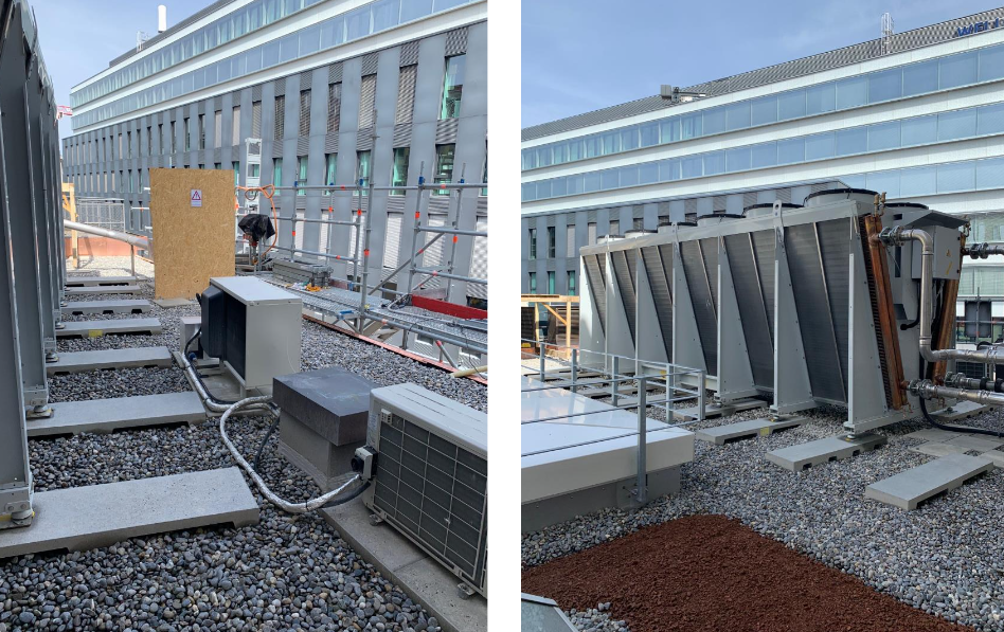
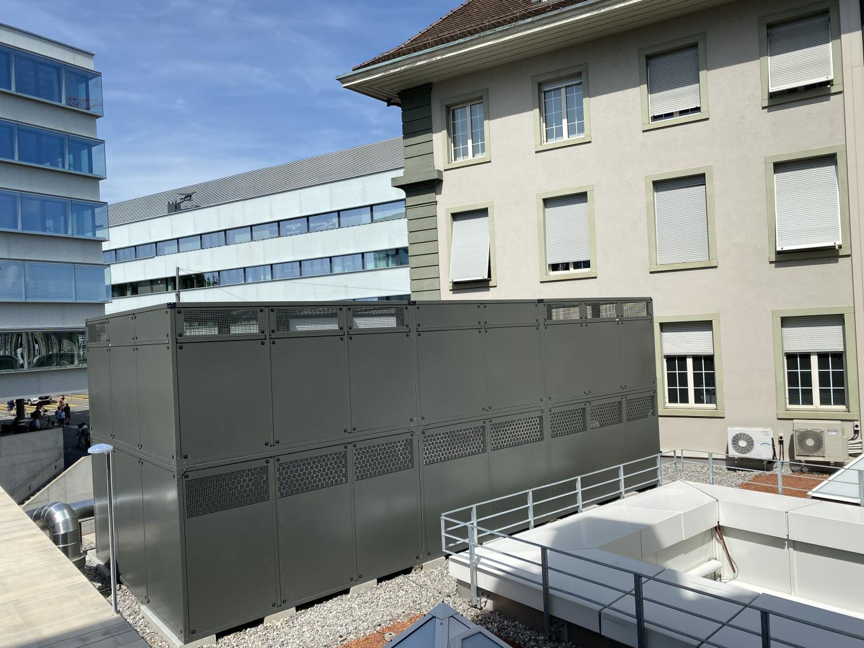
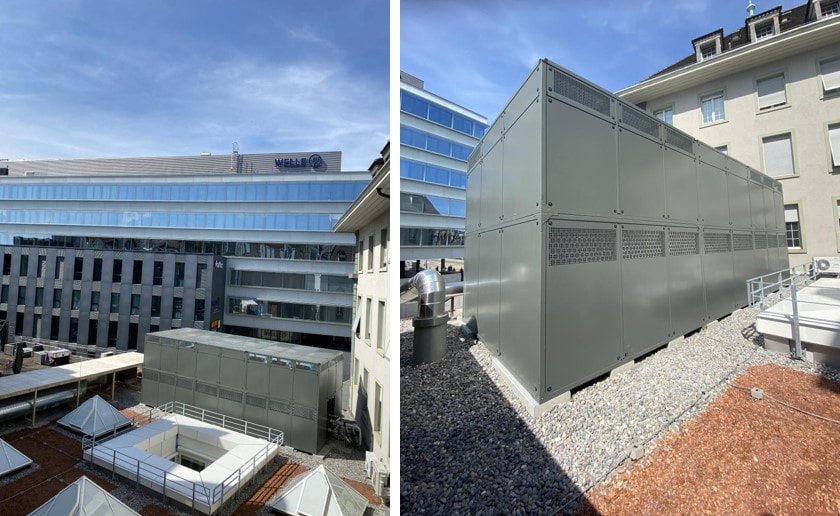
Energy-efficient refrigeration systems and heat pumps are not just a question of the latest compressors, fans or refrigerants; the issue stands and falls with the maintenance of the systems. The picture below shows an evaporator of an industrial process cooling system where we have installed a sound enclosure. After removing the protective grilles in front of the evaporator, we found it to be completely dirty. Practically no air was passing through the evaporator fins and the system was constantly running at its limit in order to generate any cooling capacity at all. This not only has a negative effect on the cooling capacity, but also results in higher power consumption (current). The picture next to it shows the evaporator after cleaning, with the evaporator fins once again air-permeable. Important: the evaporator fins must be cleaned against the direction of air flow (blowing out). We must warn against mechanical cleaning with a broom or a high-pressure cleaner from the outside, as this only leads to the dirt accumulating between the fins and thus the dirt only being relocated. 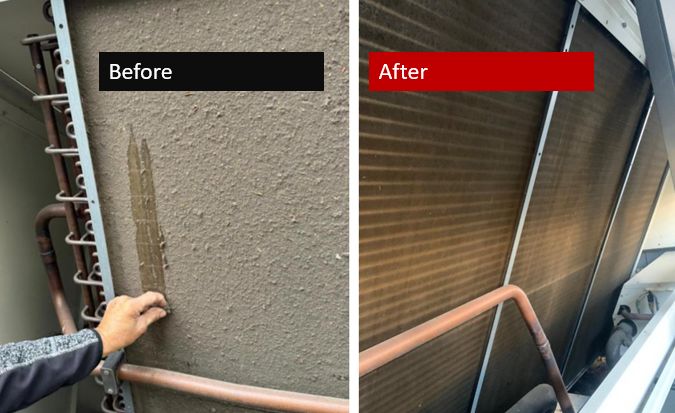 Initial situation As part of the refurbishment of the first floor of the Bubenberghaus on Schanzenstrasse in Bern, the cooling system is also being replaced and extended. The capacity of the cooling system was increased compared to the previous system, which meant that the precautionary noise values were not met. The recooler is used to cool the entire building, but in particular the MRI systems of the radiology centre located in the building. Noise emissions must be reduced by at least 14 dB(A). This is achieved by using the installed acoustic bonnet. The recooler has the following dimensions: 7,646 x 2,420 x 2918 mm (L x W x H). The system has 12 EC fans. The total air volume of the system at full load is 220,000 m3/h. Sound enclosure concept The basic structure of the sound enclosure consists of 6 modules of an aluminium plug-in profile frame that are connected to each other in place. The service doors around the system were integrated into the profile frames. The inside of the doors is lined with 40 mm ‘StratocellWhisper’ insulation. The acoustic bonnet was built from 6 modules that were simply mounted on top of and next to each other and statically reinforced. The air chambers between the supply and exhaust air are hermetically separated by the use of separating panels that run in a rail system of aluminium U-profiles. The panels can be opened at some points so that access to the fans is possible at any time. The assembled modules have the following dimensions: 9,446 x 4,100 x 3,618 mm (L x W x H) with a weight of 2,040 kg. The air outlet speed at full load is around 10.2 metres/sec. In terms of energy, it is interesting to compare the ambient air temperature with the temperature of the air entering the condenser. Despite the relatively high air inlet velocity, this is around 5.4° Celsius lower than the air temperature outside the bonnet. The reason for this is obviously the shading of the condenser on all sides in combination with the movement of the air, which leads to this relatively high cooling of the air as it enters the condenser. This will also have a positive effect on the cooling capacity and power consumption of the dry cooler. |
AuthorWe specialize in reducing noise emissions and increasing the performance of HVAC and industrial systems. Archives
March 2026
Categories |
 RSS Feed